
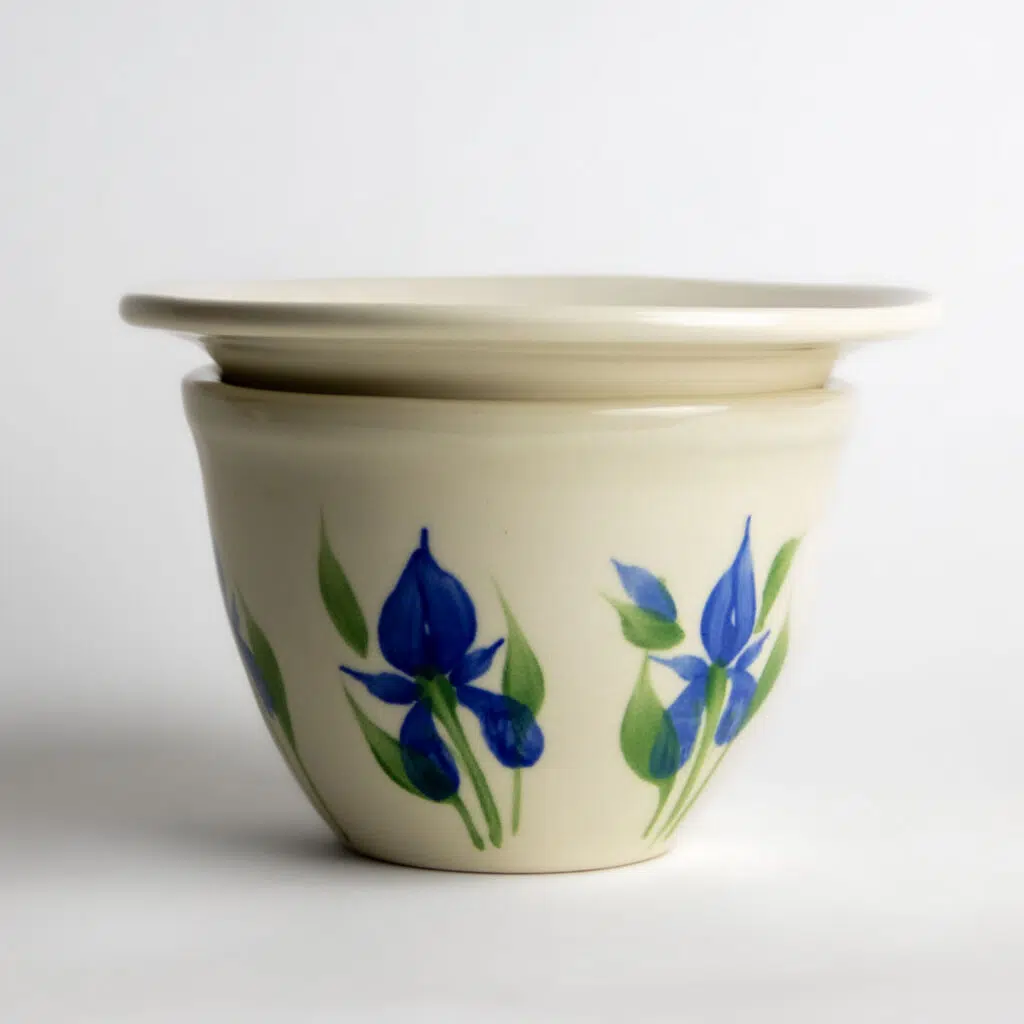
African Violet Pots
in Field of Iris





Ships within 3 business days · Free shipping on orders $150+
This item is currently unavailable. Sign up to get notified when it is back in stock.
You’re signed up!
We’ll email you when this item is back in stock.
Designed especially for temperamental African violets, our bottom-watering African Violet Pots use a unique two-piece system. The inner pot is left half-glazed and fired at a lower temperature, allowing your plants to “drink” water from the outer pot. Hand-painted, botanically influenced designs match your violets, and solid glazes direct all of the attention to them.
What Makes This Planter So Special:
- Features the unique two-piece, self-watering design
- Only need to repot once a year
- Made with non-toxic clay
For more information on how to care for your African violets, check out our guide here.
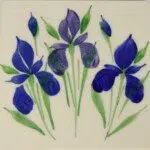
Our Field of Iris pottery collection is a favorite among our customers. Purple and blue irises adorn a variety of products and bring a gorgeous field of flowers into your home.
Insert:
6.75" L x 6.75" W x 3.75" H
0.17 trade gal. Capacity
Approximately 1.10 lbs.
Base:
5.75" L x 5.75" W x 4" H
0.26 trade gal. Capacity
Approximately 1.45 lbs.
Includes
1 - African Violet Pot Insert
1 - African Violet Pot Base
Shipping
We usually ship in-stock items within three days of receipt of the order. If the item is out of stock, we will email you with the estimated date it will be ready to ship.
We offer shipping to the United States and Canada, including free shipping on orders over $150. Local shoppers can request in-store pickup for online orders.
Returns
Returns accepted with prior factory approval only. NO returns will be accepted after ten days of receipt of shipment. If you need to make a return, please email us or call us at 1-540-297-7524 to receive your Return Authorization Number. Returns will be credited for pottery only, not freight.
86 reviews for African Violet Pots
You must be logged in to post a review.
Patricia Santolupo –
Can’t wait to purchase an African Violet for my lavender pot
Emerson Creek Marketing –
Thanks for purchasing our African Violet Pot, Patricia. Enjoy!
Anonymous –
Lovely product , exceeded expectations of quality materials and form
Emerson Creek Marketing –
Thank you for your purchase and for your kind feedback. Enjoy!
Barbara J H. –
This is the second African Violet pot I have purchased. This pot is a gift. I have the violet started in it and the violet and the pot are beautiful.
Emerson Creek Marketing –
Barbara, we love when people get creative with their gift giving! Planting an African Violet in the African Violet Pot before giving it as a gift can truly make it even more special. Thank you for your purchase!
Bernida Kosnoski –
Kimberly Elizabeth Langbart –
Ronda S. –
Best violet pots ever! 🤍
Emerson Creek Marketing –
Thank you Ronda. Enjoy!
Carolyn Landrum –
The easiest way to care for a plant.
Wish it came in more sizes.
Emerson Creek Marketing –
Thanks for this great feedback, Carolyn. We’ll discuss with the team!
Ronda Stevens –
I love my African violet pots, and so do my violets! Such beautiful work.
I placed another order and made a mistake and ordered two regular pots, didn’t want to return so I’ll have to order again. 🙂
Emerson Creek Marketing –
Ronda, we hope you enjoy your new Flower Pots and your African Violet Pots!
Monica –
Love~love my African Violet Pot! Will probably be ordering another one. Craftsmanship is outstanding!
Emerson Creek Marketing –
Monica, we’re so glad you’re pleased with your new African Violet Pot! Thanks for considering ordering a second one as well!
Beth B. –
Great. Violet still doing well after a couple weeks.
Emerson Creek Marketing –
Beth, thanks for purchasing our African Violet Pot. We’re glad your violet is doing well in it!
Linda Apprill –